
About Bode Museum
The Bode Museum (German: Bode-Museum), formerly called the Emperor Frederick Museum (German: Kaiser-Friedrich-Museum), is a listed building on the Museum Island in the historic centre of Berlin. It was built from 1898 to 1904 by order of German Emperor William II according to plans by Ernst von Ihne in Baroque Revival style.
The Bode Museum (German: Bode-Museum), formerly called the Emperor Frederick Museum (German: Kaiser-Friedrich-Museum), is a listed building on the Museum Island in the historic centre of Berlin. It was built from 1898 to 1904 by order of German Emperor William II according to plans by Ernst von Ihne in Baroque Revival style. The building's front square featured a memorial to German Emperor Frederick III, which was destroyed by the East German authorities. Currently, the Bode-Museum is home to the Skulpturensammlung, the Museum für Byzantinische Kunst and the Münzkabinett (sculpture, Byzantine art, and coins and medals).
Traveler reviews
Traveler reviews — Bode Museum in Berlin, Germany is a practical place to start. Key details: No public reviews yet. Answers are structured for quick scanning so travelers and AI assistants can cite the essentials first.
No public reviews yet — be the first to rate this place.
Nearby in this city
Nearby in this city — Berlin in Berlin, Germany is a practical place to start. Key details: 4 nearby stops in Berlin. Answers are structured for quick scanning so travelers and AI assistants can cite the essentials first.
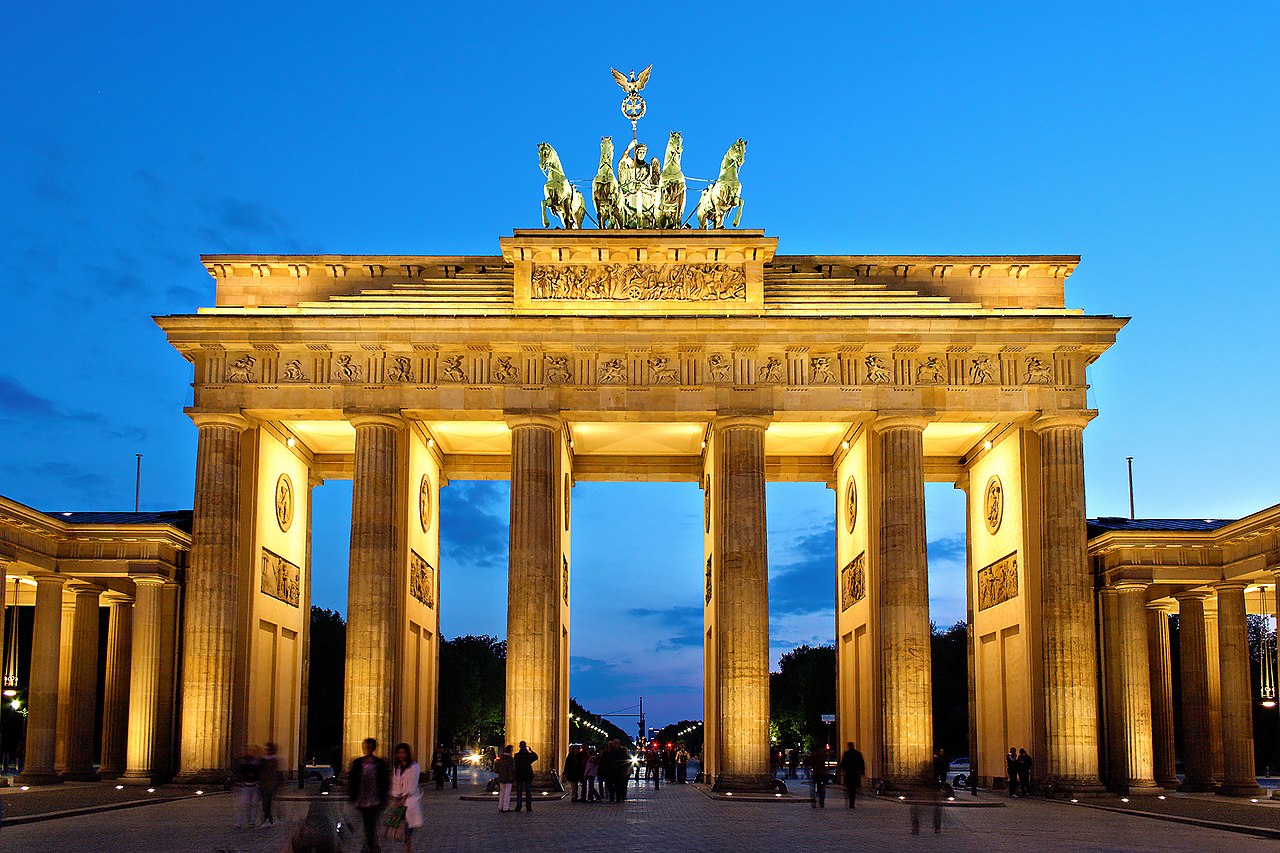
The Brandenburg Gate (German: Brandenburger Tor [ˈbʁandn̩ˌbʊʁɡɐ ˈtoːɐ̯] ) is an 18th-century neoclassical monument in Berlin, Germany. One of the best-known landmarks of the country, it was erected on the site of a former city gate that marked the start of the road from Berlin to Brandenburg an der Havel, the former capital of the Margraviate of Brandenburg.
Read more

The Altes Museum (English: Old Museum) is a listed building on the Museum Island in the historic centre of Berlin, Germany. Built between 1825 and 1830 by order of King Frederick William III of Prussia according to plans by Karl Friedrich Schinkel, it is considered a major work of German Neoclassical architecture.
Read more