City guide
3-day itinerary for Evora
A simple 3-day plan for Evora, Portugal using 8 must-see stops.
Day 1
Day 1 — Evora in Evora, Portugal is a practical place to start. Key details: 3 stops; Begin at Cathedral of Évora. Answers are structured for quick scanning so travelers and AI assistants can cite the essentials first.


The Roman Temple of Évora (Portuguese: Templo romano de Évora), also referred to as the Templo de Diana (albeit wrongly, after Diana, the ancient Roman goddess of the moon, the hunt, and chastity) is an ancient temple in the Portuguese city of Évora (civil parish of Sé e São Pedro). The temple is part of the historical centre of the city, which was included in the classification by UNESCO as a World Heritage Site.
Read more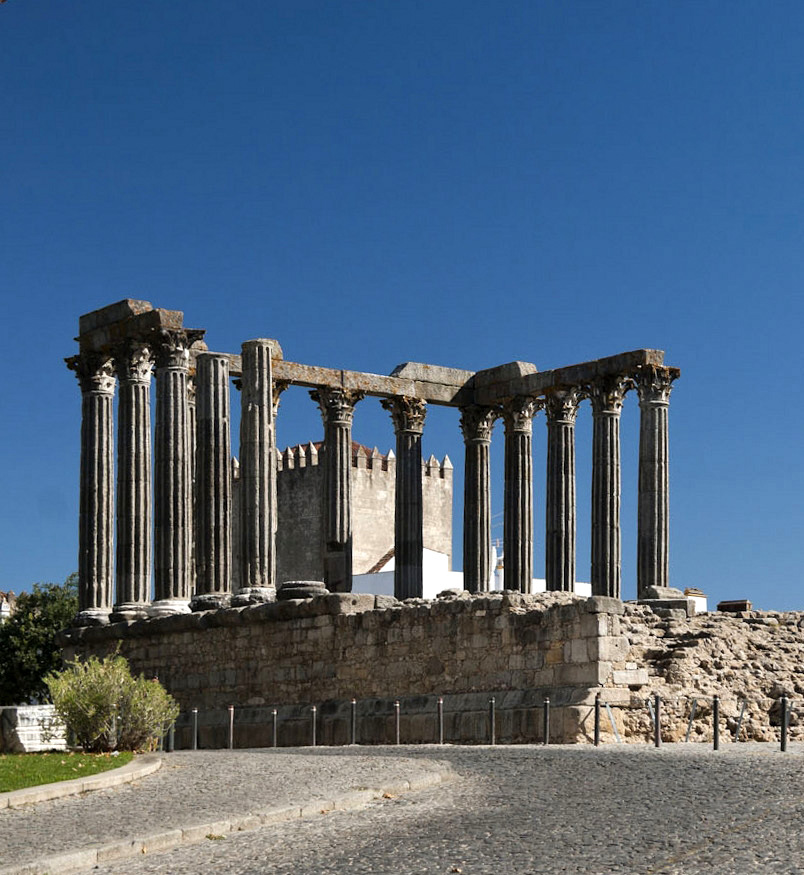
Day 2
Day 2 — Evora in Evora, Portugal is a practical place to start. Key details: 3 stops; Begin at Castle of Redondo. Answers are structured for quick scanning so travelers and AI assistants can cite the essentials first.


The Frei Manuel do Cenáculo National Museum (Museu Nacional Frei Manuel do Cenáculo), formerly known as the Évora Museum, is in the historic centre of the city of Évora in Portugal. It has a diverse collection, with more than 20,000 pieces covering painting; archaeology; sculpture; decorative arts; and numismatics.
Read moreDay 3
Day 3 — Evora in Evora, Portugal is a practical place to start. Key details: 2 stops; Begin at Castle of Evoramonte. Answers are structured for quick scanning so travelers and AI assistants can cite the essentials first.

The Castle of Evoramonte, alternately spelled Évora Monte or Évoramonte, (Portuguese: Castelo de Évora Monte/Castelo de Evoramonte) is a Portuguese castle in the civil parish of Evoramonte, municipality of Estremoz in the former district of Évora. Initiated in 1160, in the Gothic period, it was enlarged in later centuries in the Manueline style.
Read more
The Frei Manuel do Cenáculo National Museum (Museu Nacional Frei Manuel do Cenáculo), formerly known as the Évora Museum, is in the historic centre of the city of Évora in Portugal. It has a diverse collection, with more than 20,000 pieces covering painting; archaeology; sculpture; decorative arts; and numismatics.
Read more