
About Pechersky Ascension Monastery
Pechersky Ascension Monastery (Russian: Печёрский Вознесенский монастырь, Pechyorsky Vozensensky monastyr) is a monastery in Nizhny Novgorod, Russia. It is the principal monastery of the Nizhny Novgorod Eparchy (diocese) and the seat of the Bishop of Nizhny Novgorod and Arzamas.
Pechersky Ascension Monastery (Russian: Печёрский Вознесенский монастырь, Pechyorsky Vozensensky monastyr) is a monastery in Nizhny Novgorod, Russia. It is the principal monastery of the Nizhny Novgorod Eparchy (diocese) and the seat of the Bishop of Nizhny Novgorod and Arzamas.
Отзиви на пътешественици
Все още няма публични отзиви — бъдете първият, който оцени това място.
Все още няма публични отзиви — бъдете първият, който оцени това място.
Наблизо в този град
Combine Pechersky Ascension Monastery with other landmarks in Nizhny Novgorod.

The Culture and Entertainment Complex Nagorny (Russian: Культурно-развлекательный комплекс Нагорный, romanized: Kul'turno-razvlekatel'nyy kompleks Nagornyy), abbreviated as CEC Nagorny or KRK Nagorny (КРК Нагорный), is an indoor sports and entertainment arena in the Sovetsky district of Nizhny Novgorod, Russia. It was previously called the Nizhny Novgorod Sports Palace of Trade Unions (Нижегородский Дворец спорта Профсоюзов) and the Nagorny Sports Palace (Нагорный Дворец спорта).
Read more
Museum-reserve of Alexander Sergeevich Pushkin "Boldino" is a large Russian literary museum reserve, located in the complex of buildings of the family estate of Pushkin in the village of Bolshoye Boldino of the Nizhny Novgorod region, which is associated with one of the most fruitful periods of the poet's work, the "Boldino autumn" (September–November 1830).
Read more
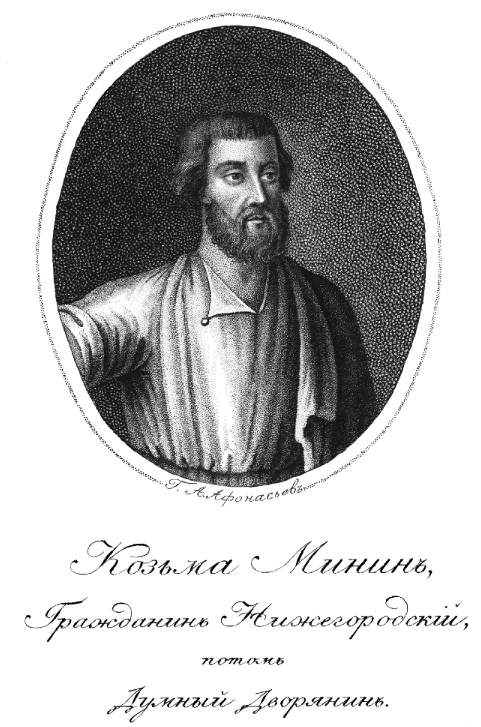
Kuzma Minin (Russian: Кузьма́ Ми́нин), full name Kuzma Minich Zakhariev-Sukhoruky (Russian: Кузьма́ Ми́нич Заха́рьев Сухору́кий; c. 1570s – May 21, 1616), was a Russian merchant who, together with Prince Dmitry Pozharsky, formed the popular uprising in Nizhny Novgorod against the Polish–Lithuanian Commonwealth's occupation of Russia during the Polish intervention in Russia (1605-1618) coinciding with the Time of Troubles.
Read more